
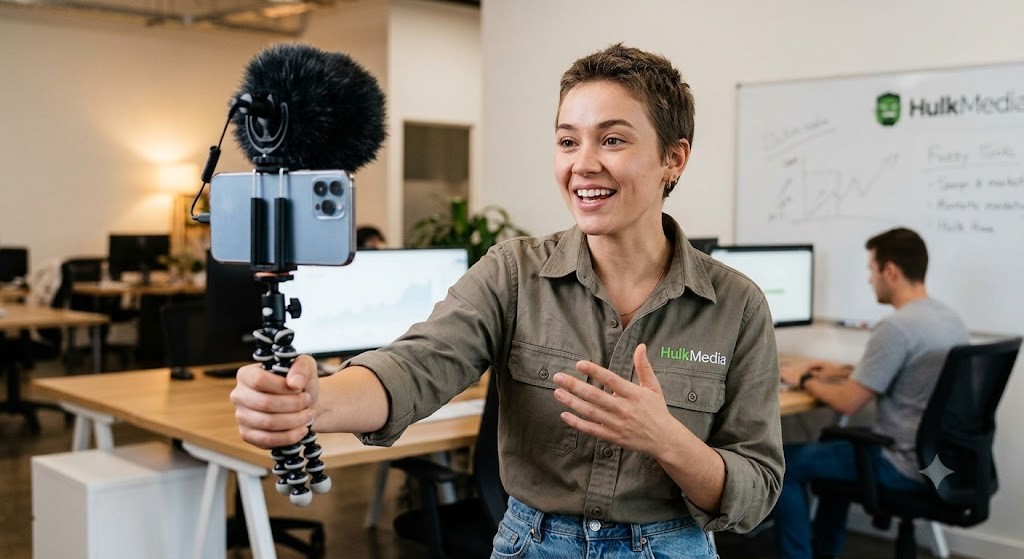
Traditional marketing is dead.
Gen Z has completely outgrown TV commercials. They don’t care about billboards. Instead, they want real reviews from real people.
According to a GoDaddy survey, 40% of Gen Z consumers trust influencers over established businesses. They are even more likely to buy something recommended by an internet personality than by their own friends.
But paid influencer marketing has peaked. The new frontier? Anti-marketing.
Companies are no longer just hiring massive internet celebrities. They are turning regular customers and on-the-clock employees into organic brand ambassadors.
Unsexy Products, Massive Engagement
Look at ResMed. They make CPAP machines for sleep apnea. It is a highly medical, completely “unsexy” product. They also face a major market shift, with analysts estimating a $270 million to $300 million reduction in annual device sales due to the rise of GLP-1 weight loss drugs treating sleep apnea.
Their solution? The “CPAP Baddies” movement.
ResMed launched a social media strategy featuring everyday users and employees dancing with their machines. They hosted an influencer-style hangout in Vancouver with merchandise, photobooths, and hors d’oeuvres for everyday people.
The results speak for themselves: 4.2 million views in 30 days with just 6,200 followers.
The Corporate “Fan Account” Strategy
ResMed isn’t alone. Other massive corporations are spinning up internal “fan accounts” to capture this authentic energy.
- Starbucks: Empowering select baristas to create organic content for official corporate accounts.
- Staples: Broke the internet with the “Staples Baddie” (employee Kaeden Rowland), who went viral simply explaining direct mail and passport renewals.
- Polymarket: Launched “Baddies of Polymarket” pages to get women into betting markets, though they faced scrutiny for deceptive paid creator tactics later on.
Traditional vs. Anti-Marketing: The Shift
|
Feature |
Traditional Marketing |
The “Anti-Marketing” Era |
|
Primary Talent |
Actors or highly paid influencers |
Everyday customers and on-the-clock employees |
|
Content Style |
Polished, highly produced, scripted |
Raw, authentic, “fuzzy mic” smartphone videos |
|
Core Goal |
Direct product sales pitches |
Building community and removing social stigmas |
|
Trust Factor |
Low (seen as forced or corporate) |
High (seen as organic and relatable) |
The Bottom Line for Brands
Authenticity wins. Normal people content consistently outperforms polished, multi-million dollar campaigns.
If you want to build true brand loyalty, stop trying to sell. Start trying to connect. Turn your community into your creators, and let your real fans do the talking.