
Modern Australian consumers demand more than fair prices. They want to know what a business stands for, how it behaves, and its impact on the world. Ethical and purpose-driven marketing is no longer optional; it is a major commercial advantage.
The Power of Purpose-Driven Marketing
Embedding a clear purpose into your brand identity drives long-term success.
- Market Differentiation: Stand out in highly competitive, crowded sectors.
- Consumer Trust: Build credibility through visible, consistent behavior.
- Emotional Resonance: Connect with audiences on a personal, identity-driven level.
- Meaningful Messaging: Shift from purely promotional content to value-led storytelling.
Ethical Actions that Support Purpose
- Utilizing transparent sourcing methods.
- Implementing genuine sustainability initiatives.
- Ensuring fair representation and diversity.
- Actively participating in community involvement.
- Strictly respecting and protecting customer data.
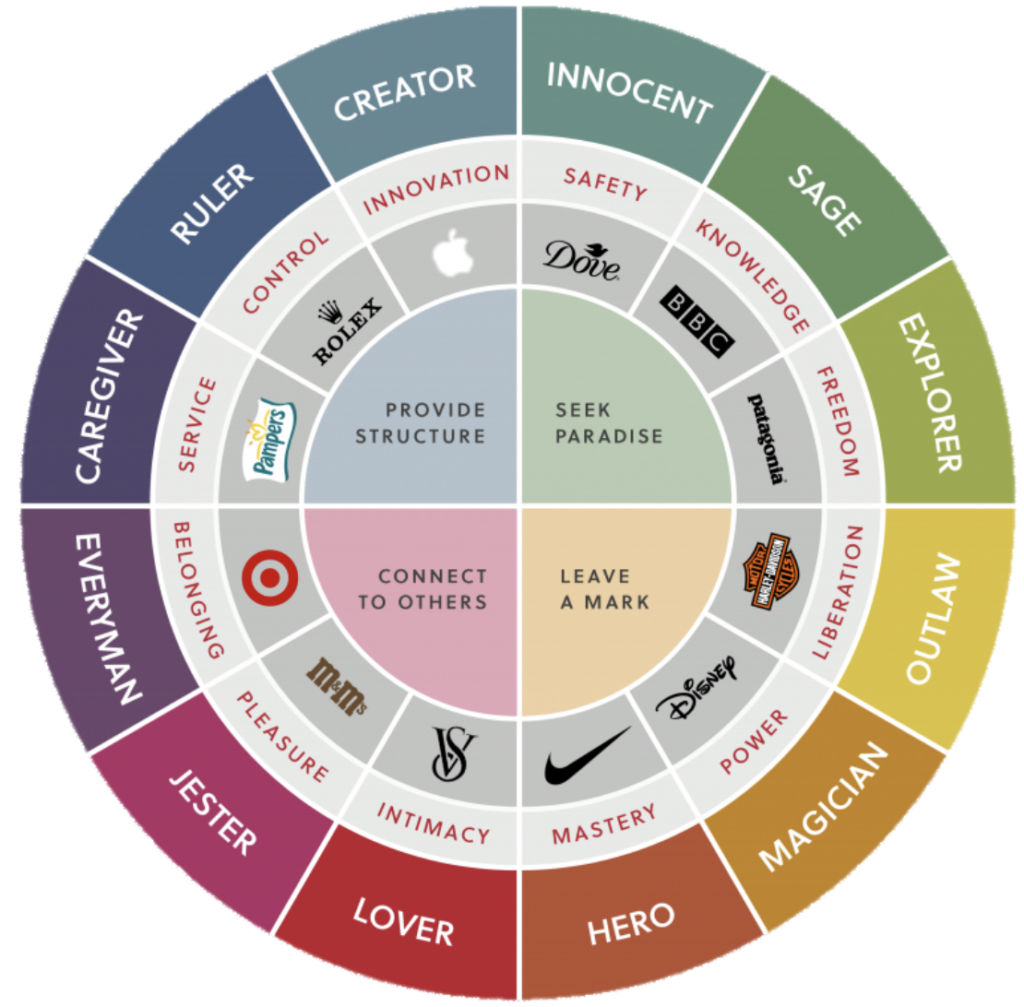
The 12 Brand Archetypes Explained
Using Carl Jung’s 12 Brand Archetypes helps humanize your business. These universal personalities make your brand instantly recognizable and memorable.
1. The Innocent
- Core Purpose: Honesty, transparency, purity, and trust.
- Strategy: Deliver optimistic, simple messaging that removes consumer anxiety.
- Australian Example: Aesop. They use minimalist design, natural ingredients, and honest product claims to create a sense of calm and quiet confidence.
2. The Everyman
- Core Purpose: Fairness, equality, belonging, and down-to-earth honesty.
- Strategy: Reject elitism and connect with customers on their level.
- Australian Example: Aussie Home Loans. They act as an approachable partner, making complex financial decisions feel simple and less intimidating for everyday Australians.
3. The Hero
- Core Purpose: Courage, service, achievement, and tangible positive impact.
- Strategy: Prove your mission through visible, measurable community results.
- Australian Example: Surf Life Saving Australia. Their identity relies on action, bravery, and lifesaving public service across the nation’s beaches.
4. The Outlaw
- Core Purpose: Disruption, rebellion, and challenging broken industry norms.
- Strategy: Stand up for consumers by exposing unfair practices and offering bold alternatives.
- Australian Example: ME Bank (original positioning). They entered the market as a direct challenger to the big four banks, acting as a consumer advocate with provocative campaigns.
5. The Explorer
- Core Purpose: Independence, adventure, discovery, and self-expression.
- Strategy: Help customers expand their physical, mental, or creative horizons.
- Australian Example: Kathmandu. They focus on outdoor adventure and environmental responsibility, empowering people to travel and explore sustainably.
6. The Creator
- Core Purpose: Innovation, craftsmanship, and improving the world through design.
- Strategy: Build new solutions and actively encourage customer creativity.
- Australian Example: Atlassian. They empower global teams to collaborate and innovate, backed by a transparent workplace culture and strong community commitments.
7. The Ruler
- Core Purpose: Structure, leadership, security, and high standards.
- Strategy: Provide long-term confidence and stability in uncertain spaces.
- Australian Example: Commonwealth Bank (CBA). They project institutional stability, governance, and responsible financial stewardship.
8. The Magician
- Core Purpose: Growth, transformation, and rapid progress.
- Strategy: Empower customers to seamlessly move from where they are to where they want to be.
- Australian Example: Afterpay. They disrupted traditional retail finance by introducing a highly accessible, consumer-controlled payment experience.
9. The Lover
- Core Purpose: Deep emotional connection, pleasure, intimacy, and relationships.
- Strategy: Use sensory appeal and heartfelt storytelling to make customers feel valued.
- Australian Example: Cadbury Australia. They lean into themes of generosity and love, transforming a simple chocolate treat into a shared human experience.
10. The Caregiver
- Core Purpose: Compassion, safety, protection, and wellbeing.
- Strategy: Focus entirely on supporting communities and aiding vulnerable individuals.
- Australian Example: St John Ambulance Australia. Their entire identity centers on emergency care, public health, and first-aid education.
11. The Jester
- Core Purpose: Fun, humor, entertainment, and relentless positivity.
- Strategy: Cut through market clutter using wit, charm, and playful cultural references.
- Australian Example: Victoria Bitter (VB). Their famous “Hard Earned Thirst” campaigns use relatable humor to connect deeply with working-class culture without lecturing.
12. The Sage
- Core Purpose: Truth, knowledge, insight, and clarity.
- Strategy: Guide decisions through proven expertise and objective facts rather than aggressive persuasion.
- Australian Example: ABC (Australian Broadcasting Corporation). They focus heavily on public service journalism, education, and democratic integrity.
Strategic Advantages for Generative Search & Discovery
Aligning your brand with a definitive archetype optimizes your presence for modern, AI-driven search engines:
- Instant Recognition: Tapping into universal psychology makes your brand identity immediately clear to both users and algorithms.
- Consistent Signals: Aligning your tone, visual design, and core messaging provides coherent, authoritative data points across the web.
- Emotional Loyalty: Customers connect with narrative characters and values far more than sterile corporate mission statements.
- Operational Clarity: An archetype sets clear boundaries for how your brand speaks, behaves, and interacts with the world.