In 2026, the landscape of search engine optimisation (SEO) is shifting rapidly. One of the most significant changes marketers face is the rise of zero-click searches. These are search results where users find the information they need directly on the search engine results page (SERP), without ever clicking through to a website. While this trend can feel like a threat to traditional web traffic, savvy marketers are learning how to monetise visibility without clicks, turning even a glance at the SERP into tangible brand impact.
What Are Zero-Click Searches?
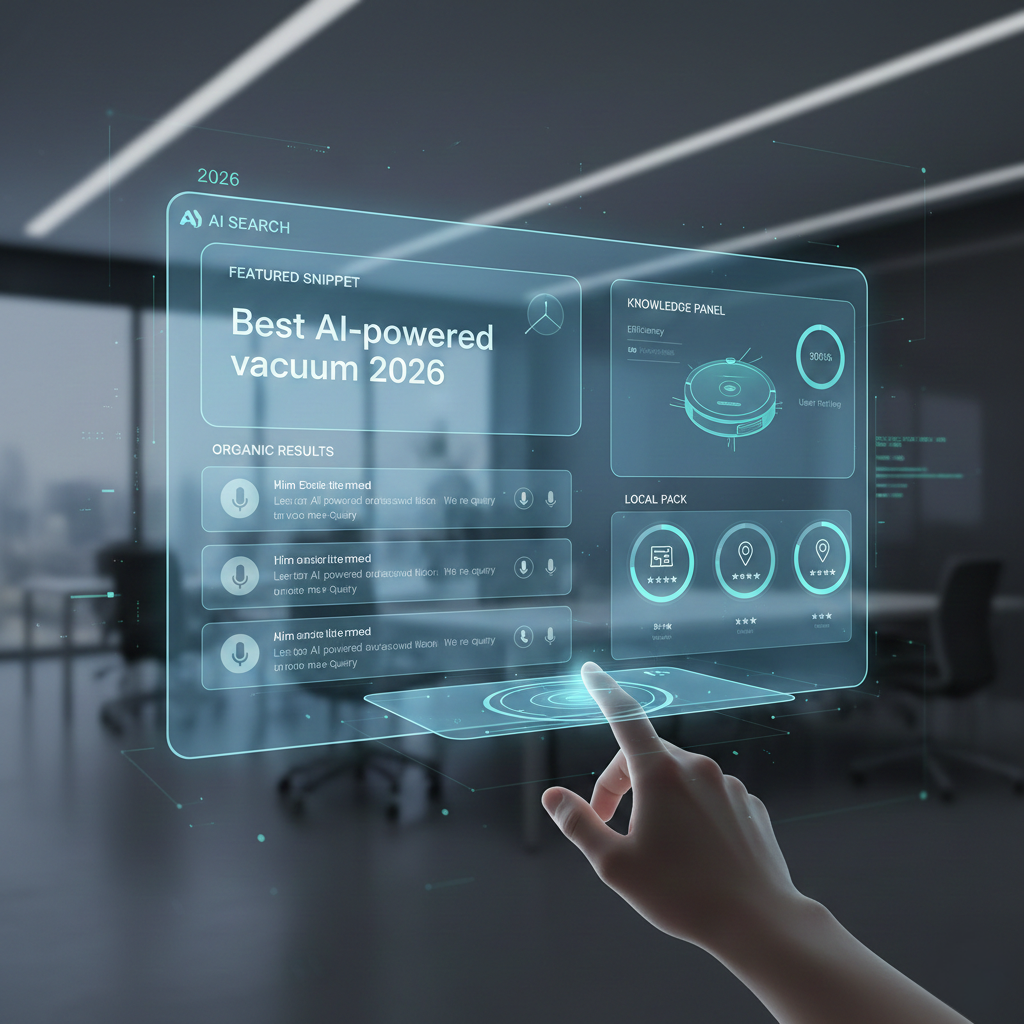
A zero-click search occurs when a user’s query is answered directly on Google, Bing, or other search engines, eliminating the need to visit an external website. Examples include:
- Featured snippets: A concise answer displayed at the top of the search results.
- Knowledge panels: Information boxes that appear for brands, people, or locations.
- Local packs: Maps showing local businesses relevant to a query.
- People Also Ask boxes: Expandable answers related to a user’s question.
By 2026, it’s predicted that over 70% of searches could end without a click. This represents both a challenge and an opportunity for businesses aiming to maximise their online presence.
Why Zero-Click Searches Matter for Your Business
While fewer clicks to your website may seem like a negative trend, brand visibility still counts. A user who sees your business in a featured snippet, local pack, or knowledge panel can experience:
- Brand recognition: Your business becomes top-of-mind, even if users don’t click.
- Trust and authority: Being featured prominently on the SERP signals expertise.
- Local discovery: For local businesses, appearing in maps and local packs drives foot traffic.
In essence, zero-click searches shift the focus from traditional website traffic metrics to visibility and influence.
Strategies to Monetise Visibility Without Clicks
Even if users aren’t clicking through, you can still convert SERP visibility into measurable business outcomes. Here’s how:
1. Optimise for Featured Snippets
Featured snippets are prime real estate on the SERP. To secure a snippet:
- Answer common questions in your content clearly and concisely.
- Use lists, tables, and short paragraphs to increase readability.
- Include structured data markup (schema) to help search engines understand your content.
Tip: Even if a snippet earns clicks elsewhere, simply appearing in the snippet improves brand trust, which can influence conversions later.
2. Leverage Knowledge Panels
Knowledge panels appear for brands, notable individuals, or organisations and include information like descriptions, contact details, and social links.
- Claim and verify your Google Business Profile.
- Ensure all details—hours, services, logos—are accurate and updated.
- Use consistent branding across your website and social profiles.
A well-optimised knowledge panel can increase offline conversions, such as store visits or phone calls, without generating a single click.
3. Maximise Local Search Visibility
Local packs are critical for businesses with physical locations. Appearing here can drive foot traffic even if users never click your website.
- Ensure your business is listed in Google Business Profile and other directories.
- Encourage reviews—positive ratings boost ranking and trust.
- Include local keywords in your content to improve relevancy.
Local search dominance ensures users know your business exists and are more likely to convert offline.
4. Optimise for Voice Search
Voice assistants increasingly read zero-click answers aloud. This is especially important for conversational searches like “Where can I get the best coffee near me?”
- Structure your content in a question-and-answer format.
- Use natural language and long-tail keywords.
- Implement schema markup to improve chances of being read aloud by AI assistants.
By aligning content with voice queries, you position your brand as the first answer users hear, which can influence decisions even without a click.
5. Measure and Track Zero-Click Performance
Traditional metrics like website clicks or sessions aren’t enough. Focus on visibility-driven KPIs:
- Impressions for featured snippets and local packs.
- Brand searches and direct traffic.
- Phone calls or store visits from local listings.
Tools like Google Search Console now offer rich results reporting, helping you track zero-click visibility and assess ROI from these placements.
The Role of Content in Zero-Click Strategy
High-quality content is still king, even in a zero-click world. The key is strategic content structuring:
- Use headings that directly answer user queries.
- Keep answers concise—users prefer instant information.
- Create “snackable” content for SERP consumption: lists, tables, and bullet points.
- Link internally to guide users who want more in-depth knowledge, without relying solely on external clicks.
By structuring content this way, you improve your chances of appearing in multiple zero-click formats.
Why This Matters in 2026
By 2026, zero-click searches will be the norm, not the exception. Businesses that ignore this trend risk losing visibility and influence. But those that embrace it can:
- Build authority and trust without relying solely on website traffic.
- Influence customer decisions at the moment of search.
- Monetise SERP visibility through offline conversions, brand recognition, and loyalty.
This is a shift from traditional SEO metrics to holistic search presence, where influence matters as much as clicks.
Final Thoughts
Zero-click searches don’t signal the end of SEO—they signal its evolution. By focusing on visibility, authority, and user influence, businesses can turn the challenge of clickless searches into a strategic advantage.
Optimising for featured snippets, knowledge panels, local packs, and voice search ensures your brand remains front and centre, guiding potential customers toward conversion—even if they never click your website.
In 2026, mastering zero-click SEO isn’t optional—it’s essential for brands that want to stay relevant and profitable in a changing search landscape.